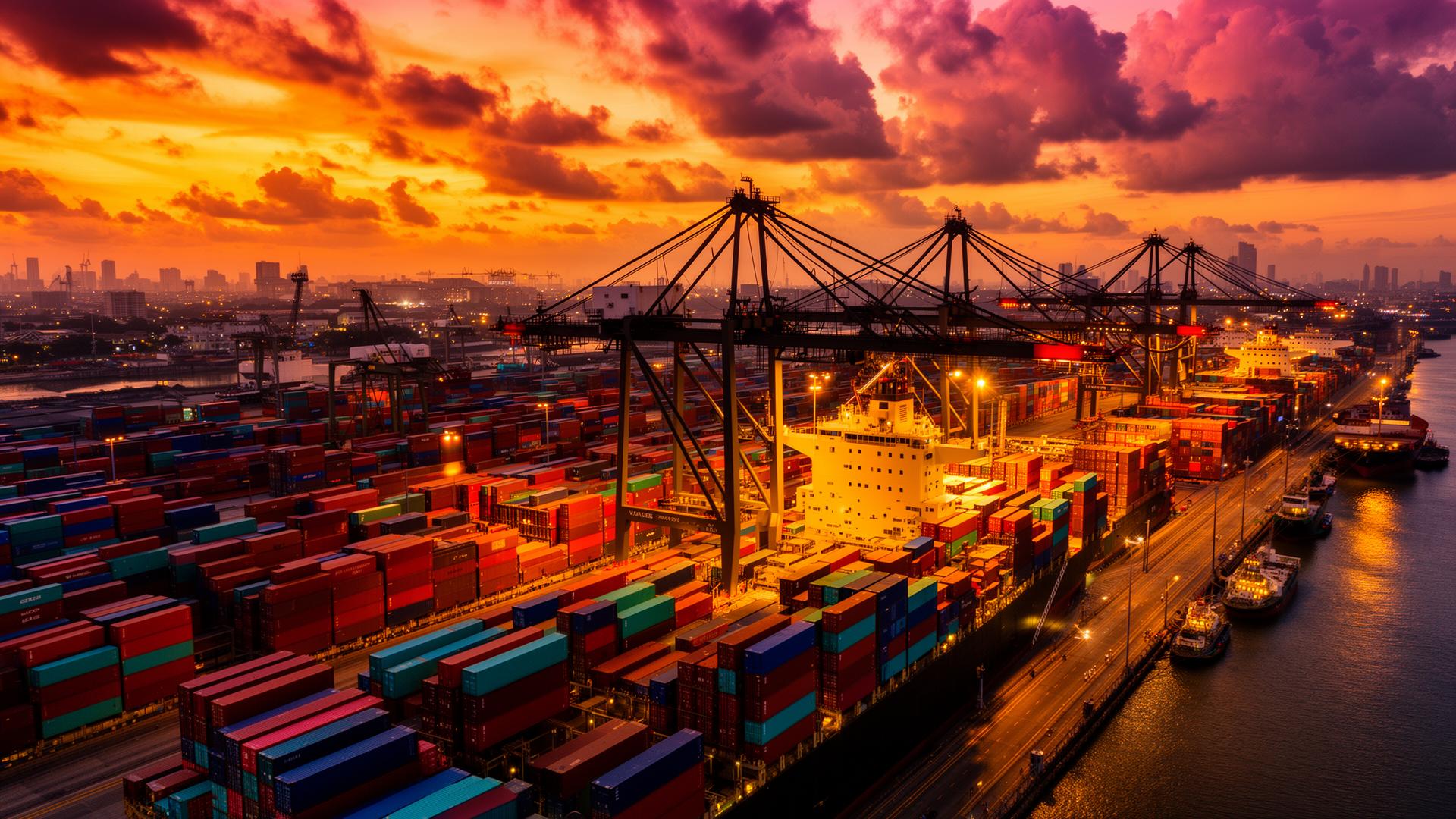
If you want to understand what is actually happening in Indonesian logistics, do not read the IPO prospectuses. Walk into a warehouse off the toll road in Cakung at 4 a.m. and watch which trucks are loading first.
For most of the last decade, the regional story was consolidation: one super-app rolls everything up, one wallet wins, one platform owns the rails. That story is now quietly over. The operators rebuilding Jakarta's logistics stack are doing the opposite — they are fragmenting it on purpose, layer by layer, because the monolith is the thing that broke.
Where the monolith breaks
The honest reason the giants struggle here is not technology, it is geography. The archipelago is 17,000 islands of regulatory, tax, and last-mile exceptions. A single routing engine that works in Java does not work in Sulawesi. A single COD reconciliation flow that works in Jabodetabek burns cash in Medan. The operators who win are the ones who stopped pretending otherwise.
"The friction in SEA logistics isn't a bug. It's the moat. Whoever maps the chaos owns the market."
What is being built instead looks unglamorous. Specialist middle-mile players. Province-level COD clearing. Composable WMS layers that snap into whatever warehouse a merchant just rented. The whole thing reads less like a platform play and more like the early days of telecoms — a thousand small operators wiring up exchanges nobody else wanted to touch.
The investors who get this look for two things: a founder who can quote the actual last-mile cost in three different provinces from memory, and a P&L where third-party revenue is already above 30%. Everything else, including the deck, is set dressing.

Dispatch Newsletter
One operator-grade breakdown every Tuesday. SEA tech, AI economics, execution frameworks. No fluff.